Walk down any busy street and you’ll see the same thing: cafés, bakeries, barbershops and small restaurants competing for the same customers. Most of them spend their energy — and their money — trying to get new faces through the door. Far fewer think systematically about the customers who already came once and never came back.
That’s the expensive mistake of 2026. Here’s why loyalty, not acquisition, is where local businesses should be focusing this year.
Acquisition keeps getting more expensive
A few years ago, a single Instagram reel or a well-timed promotion could fill a café for a week. Today, every business is on social media, ad costs are rising, and attention is fragmented. Getting a brand-new customer to discover you, trust you, and visit for the first time costs more time and money than ever.
Meanwhile, the customer who already visited once knows where you are, has tried your product, and lives or works nearby. Bringing them back is dramatically cheaper than finding someone new — yet most merchants have no system to make it happen.
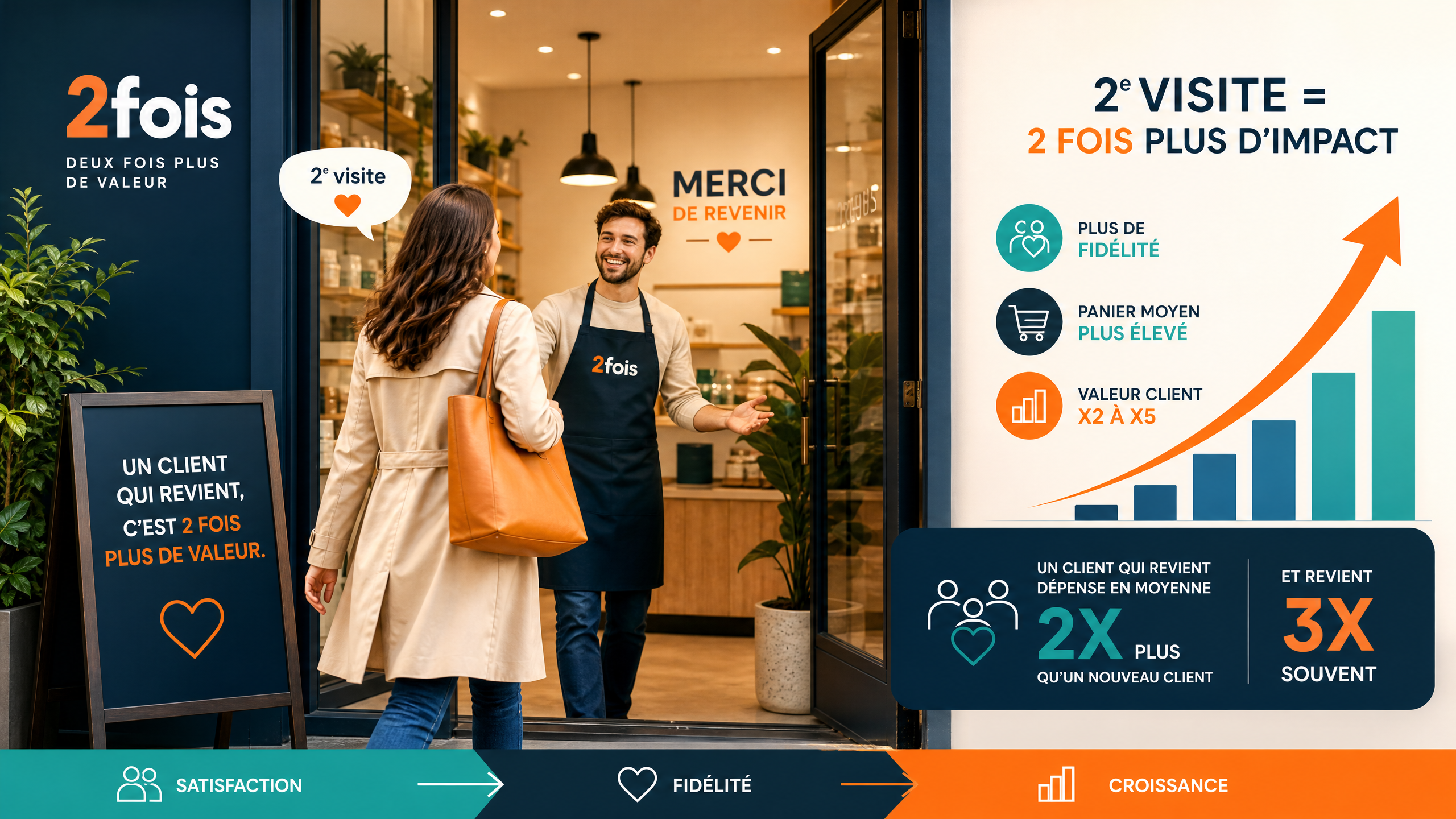
It costs far less to earn a second visit than a first one. The merchants who win in 2026 are the ones who treat the second visit as a goal, not an accident.
The “leaky bucket” problem
Imagine your business as a bucket. Marketing pours new customers in at the top. But if there’s a hole in the bottom — customers who try you once and drift away — you have to keep pouring just to stay level. That’s exhausting and expensive.
Loyalty plugs the hole. When a meaningful share of first-time visitors come back a second and third time, every dollar you spend on marketing compounds instead of leaking away. Growth stops depending on a viral moment and starts depending on a repeatable habit.
Why local businesses are ready for digital loyalty now
Three things have changed that make this the right moment:
- Smartphones are everywhere. Your customers already carry the device they need to join a loyalty programme — no card to print, no wallet to carry.
- WhatsApp is the default channel. Local merchants already run their business on WhatsApp. A loyalty offer that lives one tap away from a WhatsApp message fits how people already communicate.
- Customers expect rewards. From airlines to supermarkets, people are used to being rewarded for coming back. A local café that offers nothing feels behind.
What good loyalty looks like for a small business
Loyalty doesn’t have to mean a complicated points system or expensive hardware. For a local merchant, the best programmes are simple:
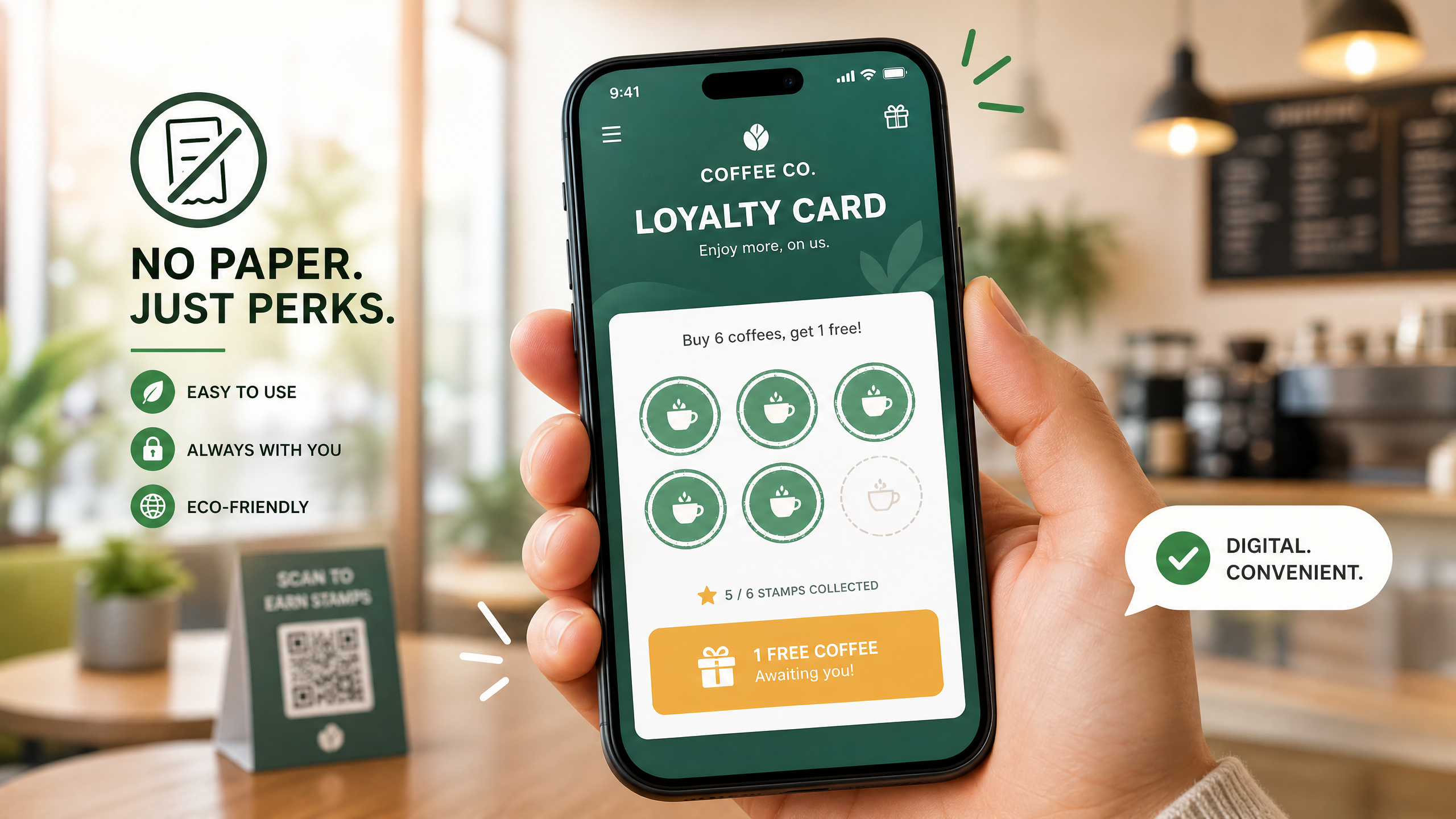
- A stamp card — buy nine coffees, get the tenth free. Familiar, motivating, and easy to understand.
- A second-visit reward — a small gift on the customer’s return that turns a trial into a habit.
- Occasional offers — a timed deal to fill a slow afternoon or launch a new product.
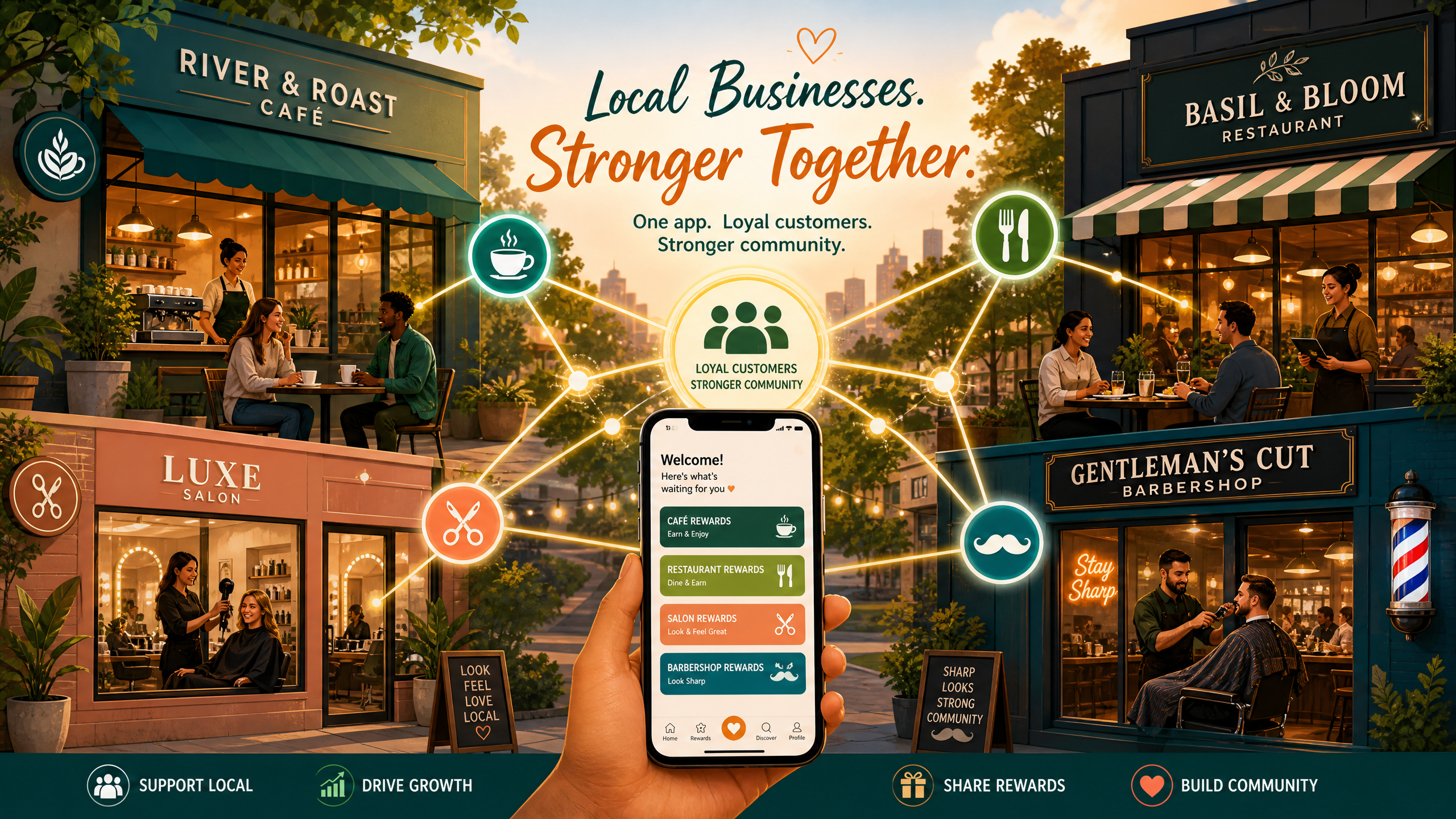
The key is that all of this should run without paper, without new hardware, and without slowing down your counter. That’s exactly the gap 2 fois was built to fill — one app where customers collect stamps and rewards from every local business they love, and merchants get a QR code and a dashboard instead of a drawer full of punch cards.
The cost of doing nothing
Every week without a loyalty system, first-time customers walk out your door with no reason to return and no easy way for you to reach them again. Your competitor down the street who does reward returns is quietly building a base of regulars while you keep refilling the leaky bucket.
The good news: catching up is fast. Setting up a digital loyalty programme today takes about five minutes, costs nothing to start, and works alongside whatever you already use.
Ready to bring customers back?
Set up your loyalty programme in 5 minutes — free for the first 3 months.
Get started